
Layered Protection: How Sophos and Info Advantage Keep SMBs Secure
Your antivirus flags a suspicious file at 9:14 a.m. and quietly quarantines it. At 9:47, someone on your team types their password into a login page that looks exactly like your email provider's. At 11:20, a sign-in from a device nobody recognizes goes through without a single alert, because nothing was watching for it. Three systems saw three pieces of the same attack that morning, and none of them said a word to each other.
That is how most breaches unfold inside small and midsize businesses: one quiet event at a time, each one invisible without the others. To recover fast from an attack, it does not take the most security tools. It’s having the tools work together, catching what any single layer would miss on its own.
Why one tool was never enough
A firewall alone will not stop a stolen password. Antivirus alone will not stop a convincing phishing email. Most SMBs build their security stack one purchase at a time, which leaves blind spots between tools that were never designed to talk to each other. According to Sophos's 2026 State of Ransomware report, organizations with 100 to 250 employees stop only 34% of ransomware attacks before data gets encrypted, compared to 46% at larger organizations with more integrated defenses. The shortfall is not effort. It is connection.
Attackers don't break in anymore, they log in
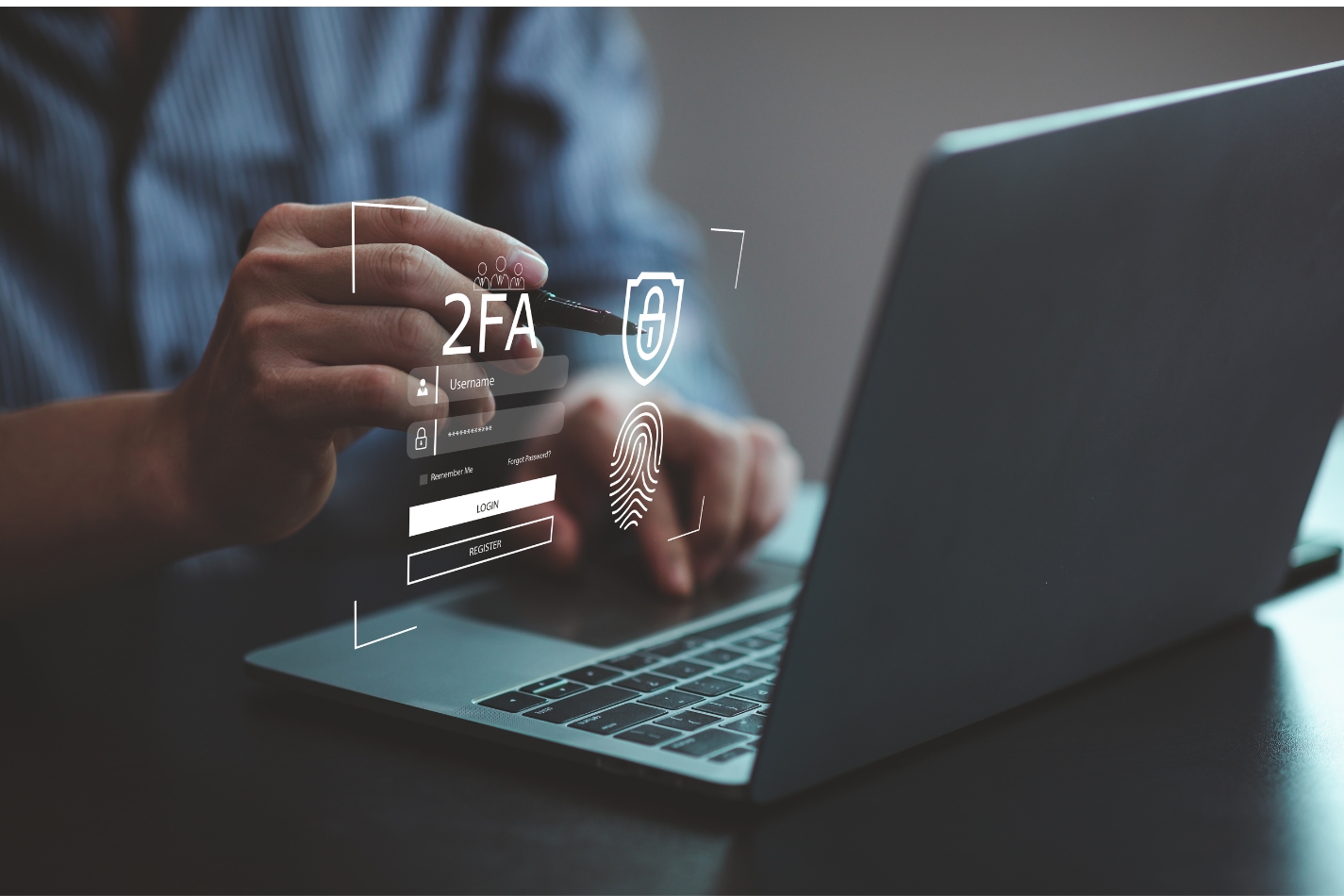
Attackers have shifted away from breaking through the front door and toward walking in with a stolen key. Malicious email and phishing together now account for half of all ransomware incidents, and 79% of attacks start with some form of compromised identity. That means the strongest firewall in the world will not help if a stolen password gets an attacker straight into your systems. Identity protection, not just perimeter defense, has to be part of the stack.
Inside a system that talks to itself
Layered protection means your email security, endpoint protection, identity monitoring, and network defenses share information and respond together instead of operating as separate, disconnected products. If a suspicious login is flagged on one system, that signal should inform the others automatically. This is where the Sophos and Info Advantage partnership comes in. Sophos provides the technology across email, endpoint, identity, and network. Info Advantage provides the managed layer on top, monitoring, tuning, and responding around the clock so those tools function as one system instead of a pile of alerts nobody has time to chase.
Watch IA Guardian Suite from a Technical Perspective
See it in action on September 16
We will walk you through exactly how this works, and what it would look like for your business, at Think Before the Breach: Building a Cyber-Aware Workplace on September 16.
Register now to save your seat.
FAQ: Layered Protection and Managed Security
What does "layered protection" mean in practice?
It means your security tools, email, endpoint, identity, and network, share data and respond together rather than operating in isolation. A threat caught by one layer informs and strengthens the others.
Why isn't a single security product enough?
No single tool covers every entry point attackers use. Firewalls do not stop stolen credentials, and antivirus does not stop a convincing phishing email. Layered defenses close the openings a single product leaves exposed.
What is managed security, and how is it different from just buying software?
Managed security means a team actively monitors, tunes, and responds to what your tools are seeing, 24 hours a day. Software alone generates alerts. A managed layer decides what those alerts mean and acts on them.
Why is identity protection such a big part of this?
The majority of ransomware attacks now start with a compromised identity rather than a technical exploit. Protecting logins and credentials has become as important as protecting the network perimeter.
How do I know if my current setup has blind spots?
A readiness assessment is the fastest way to find out. It reviews how your existing tools work, or do not work, together and shows you exactly where the openings are before an attacker finds them.