
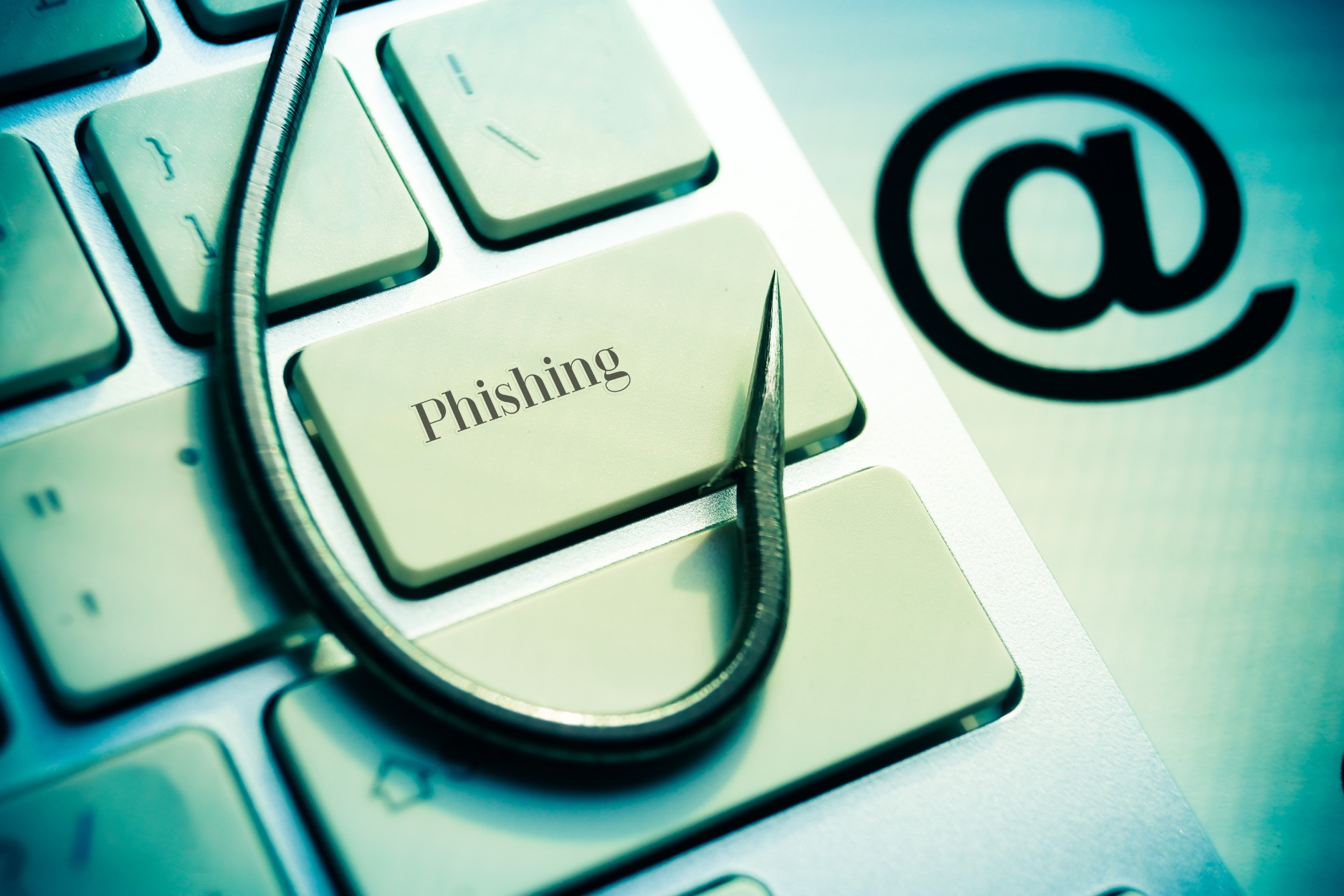
Phishing in 2026: Why Basic Email Scams are Still the #1 Threat
Phishing in 2026: Why Basic Email Scams Are Still the #1 Threat
With AI tools, advanced security platforms, and smarter spam filters, you’d think phishing would be fading away.
It isn’t.
In 2026, phishing remains the number one way attackers get into small businesses - not because the attacks are brilliant, but because they exploit something no technology can fully eliminate: human behavior.
Why Phishing Still Works
Most phishing emails today don’t look suspicious. They look familiar.
A vendor invoice
A DocuSign request
A shared file notification
A “quick question” from leadership
Attackers rely on urgency, trust and routine, not technical tricks. When employees are busy, rushed, or distracted, one click is all it takes.
And once credentials are stolen, attackers don’t smash their way in - they log in quietly.
Security Tools Aren’t Enough on Their Own
Email filtering, endpoint protection, and MFA are essential - but they don’t stop every phishing attempt.
Why?
Some phishing emails are legitimate-looking
Some come from compromised vendor accounts
Some bypass filters entirely
The goal of phishing isn’t to break your systems.
It’s to convince someone inside your business to open the door.
What Happens After the Click
One compromised account can quickly lead to:
Unauthorized email access
Internal phishing to other employees
Financial fraud attempts
Ransomware deployment
Data exfiltration
In many incidents, businesses don’t realize what happened until days or weeks later — long after the initial click.
Why SMBs Are Still Prime Targets
Small and mid-sized businesses are attractive because:
They have valuable data
They rely heavily on email
They often lack ongoing security training
Attackers assume defenses are lighter
Phishing isn’t about company size - it’s about opportunity.
What Actually Reduces Phishing Risk in 2026
The businesses that successfully reduce phishing incidents focus on people + process, not just technology.
Ongoing Security Awareness Training
Annual training isn’t enough. Employees need short, regular reminders that reinforce:
How to spot suspicious messages
When to slow down
How to report potential phishing
Clear Reporting Paths
Employees should know exactly what to do when something feels “off” - without fear of getting in trouble. Fast reporting limits damage.
Phishing Simulations
Simulated phishing tests help reinforce awareness and identify risk areas without blame.
Strong Access Controls
When phishing does succeed, limiting account access reduces impact. Least-privilege access matters more than ever.
The Bottom Line
Phishing isn’t a technical failure - it’s a human one.
And that’s why it’s still so effective.
The good news? Human risk is manageable with the right training, systems, and support.
At Info Advantage, we help businesses reduce phishing risk without slowing teams down or overwhelming them with fear-based security messaging.
Because in 2026, cybersecurity isn’t just about blocking threats - it’s about building smarter habits.