
We manage and support the systems your team uses every day, helping resolve IT issues, reduce disruptions, and keep work moving.
A Better Workday Starts With Better IT Services.
meet the New England IT team you can rely on







Linda Weller
President
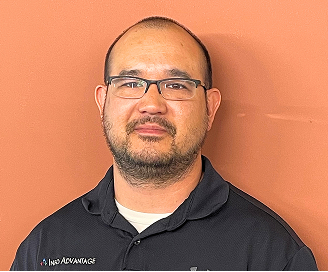
Chris Chan
Sr. Director of Solution Sales
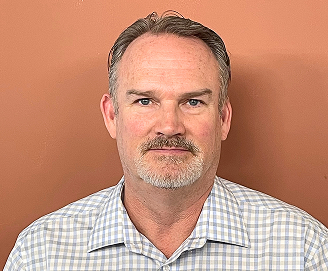
Mitch Weller
Executive Vice President

Nick Wetherwax
Sr. Director of Technical Solutions

Mike Minch
Client Success Representative

Jacob Weller
L1 Engineer

Rikki Weller
Marketing Executive

Brian Moss
Solution Sales Representative

Chris McDonald
L2 Engineer

Matt Frosini
L2 Engineer
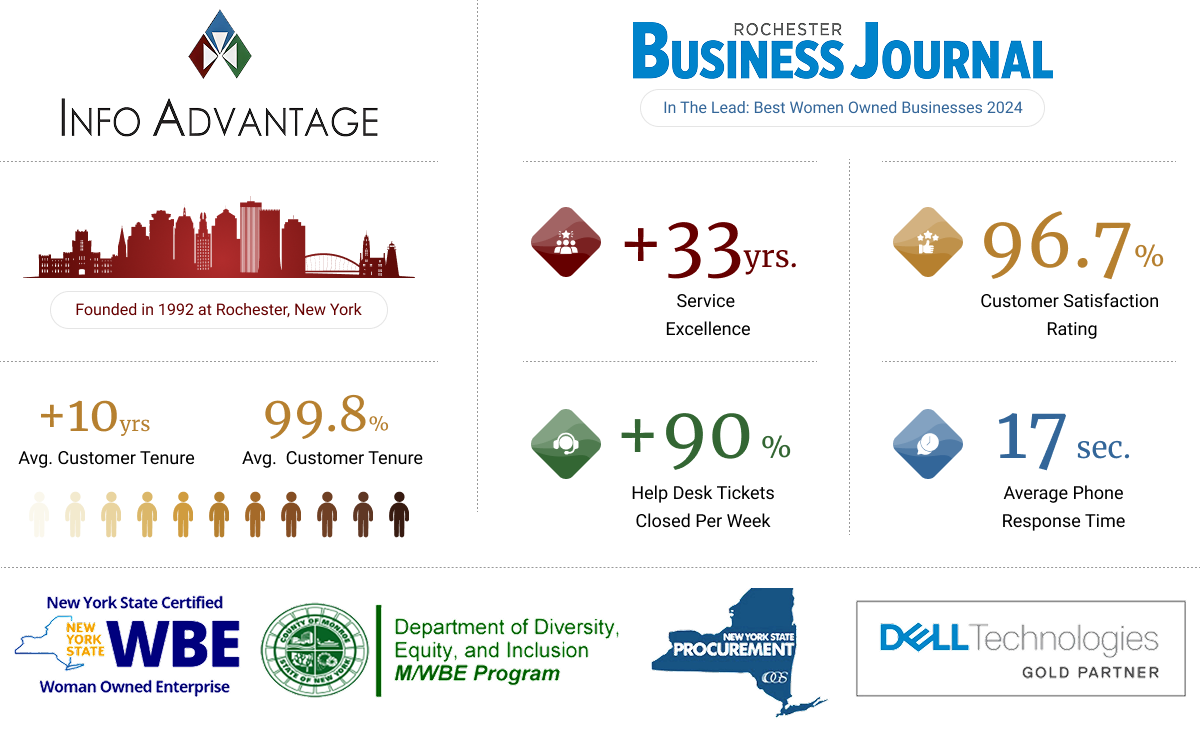
Turning IT Problems Into Clearer Support
Slow systems, login issues, software problems, and recurring interruptions can quietly take time away from your team. When those issues are handled one at a time, the same problems may return and larger IT concerns can become harder to track or resolve.
We review the systems your team depends on, identify recurring issues, and shape our IT services around what actually needs attention. For businesses in Rochester, we provide ongoing support, monitoring, and day-to-day IT management designed to keep technology organized and work moving with fewer disruptions overall.
What Our IT Services Cover
Help desk support with real technicians, not automated menus.
Proactive monitoring that flags issues before they cause downtime.
Patch management that keeps software current without disrupting work.
Data backups tested on a regular schedule, not left unchecked.
Cloud platform support for Microsoft 365 and hosted applications.
Vendor coordination so one call resolves multi-vendor problems.
Network performance checks that catch slowdowns before users do.
We love conversations with our clients but it's our work that does the real talking.
“We needed help; it was only a phone call away”
“We enjoyed another successful year at Hoag Library in no small part due to our relationship with Info Advantage. With the help of Johnathan and Linda we replaced many of our computers this year and have finally gotten all of our equipment onto a three year cycle for replacement. The installation of the new computers was handled in house knowing that if we needed help it was only a phone call away. Jeremiah was instrumental in helping us get all of the new equipment online and swapping out some other equipment with items that were at the end of life. Other times we have depended on Jacob to help us figure out why we were having problems. (an unknown power outage was one cause.) and he and Kris reset programs when we could not make successful updates. We were also unable to catalog new books when the dedicated computer went down. We sent the computer to IA , they performed “magic” and Jacob returned it and reinstalled it until our new computers came in.”

BETTY SUE MILLER
Director Hoag Library
“Words can’t describe the difference Info Advantage has made."
“I have been working with the Info Advantage team for a little over a year now as the IT Manager for VP Supply Corp. Words cannot describe the difference Info Advantage has made in my ability to do my job and protect our network and information assets. What started as a hardware vendor has now evolved into providing MSSP services to better protect our network – and we could not be happier with the quick return on investment this has given us. I would like to give a special shout-out to the members of the Info Advantage team who have not only done their job exceptionally well but have also mastered the soft skills and make me feel as though I can always reach out if we need them. Johnathan, Chris Chan, Chris McDonald, and Nick Wetherwax have been outstanding over the past year. With continued success like this VP Supply will have Info Advantage as a partner for many, many years to come!”

ADAM DEKRAMER
IT Manager VP Supply Corp
“I’ve worked with Info Advantage for 12 yrs. across multiple companies.”
“I have worked with Info Advantage over the past 12 years at a couple of companies. This year, Info Advantage helped me deploy a new VMWare / EMC environment for my current employer. During the selection process, they were very responsive with quote changes, responses to questions and updates explaining every aspect of the roll-out. They were very willing to take my current level of knowledge into consideration in the quoting process and their quotes were very competitive. Once awarded the project, Info Advantage proceeded very quickly to order and install the hardware in agreed time with on-hands training and system documentation for me. I would personally recommend Info Advantage for any project.”
CLINT SCHWAB
Durst Imaging / Rochester, NY
iaGuardianMSP Solutions Builder
See what IT should actually cost your business. Use our calculator to estimate your monthly budget based on your team size, needs, and security requirements. Click the button to get your estimate.

Small IT Issues Can Create Bigger Risks
Slow computers, login problems, software errors, missed updates, and inaccessible files can gradually take time away from your team. When temporary fixes become routine, important work such as backups, maintenance, and system updates can also be overlooked.
We also look at the security issues that can build alongside those problems, including outdated accounts, missed updates, and suspicious emails reaching staff. Our IT services help keep these areas consistently managed, reducing the chance that smaller issues develop into longer disruptions, lost data, or greater security concerns for your business.
A Clearer Approach to Managing IT
We start by reviewing how your technology works today, including recurring issues, system performance, backups, security needs, and the tools your team depends on. That gives us a clearer understanding of what needs attention before we recommend changes.
From there, we shape our IT services around your environment and priorities. We provide ongoing monitoring, maintenance, and day-to-day support while staying familiar with your setup. For businesses in Rochester, this creates clearer priorities, more consistent IT management, and fewer recurring problems getting in the way of everyday work.

How Your IT Services Work

Ongoing Monitoring
Systems are watched continuously in the background, so warning signs like failing hardware or unusual activity get flagged and addressed before they turn into a bigger disruption.

Proactive Maintenance
Updates, patches, and routine checks happen on a set schedule, which helps reduce the kind of surprise failures that typically show up at the worst possible time.

Rapid Response
When something does go wrong, our support team responds directly, working the issue until it's resolved rather than passing you between departments or leaving tickets to sit unanswered.

Clear Reporting
You get straightforward updates on what was fixed and what's being monitored, so IT stays understandable instead of feeling like a black box your team has to trust blindly.
Our IT Services
Our IT services cover the day-to-day support, maintenance, monitoring, and management businesses rely on to keep technology working properly. Here are the core areas we help manage for businesses in Rochester.
Work should not stop over a login issue. Too often, staff sit idle waiting for a callback. Our IT services connect people to a real technician quickly, so small issues in Rochester get resolved fast.
Direct access to technicians, not a queue.
Support for everyday software and hardware issues.
Remote fixes for most common problems.
A record of past issues for faster repeat fixes.
Network Management
A network should stay in the background, doing its job quietly. When it doesn't, file sharing and video calls turn into a guessing game for teams in Rochester. Our IT services keep connectivity reliable across the workday.
Regular checks on routers, switches, and firewalls.
Bandwidth monitoring to catch congestion early.
Wireless coverage checks across office locations.
Documentation of network layout for faster fixes.
Data Backup and Recovery
A backup only matters if it works when needed. Too many businesses in Rochester discover a gap only after data is already lost. Our IT services test backups on a regular schedule.
Automated backups on a set schedule.
Regular test restores to confirm backup integrity.
Both local and offsite backup options.
Documented recovery steps for common failures.
Cloud Solutions
Cloud tools should make work easier, not add another system to babysit. Without support, small configuration issues in Microsoft 365 tend to linger for businesses in Rochester. We manage cloud accounts directly as part of our IT services.
Setup and management of Microsoft 365 environments.
Access and permission reviews for shared files.
Email deliverability and spam filter tuning.
Support for hosted line-of-business applications.
Technology decisions get harder without a clear sense of what's actually needed. Businesses often overspend on tools they don't use or delay upgrades too long. Our IT services include planning built around real usage.
Budget planning for upcoming technology needs.
Guidance on hardware and software replacement timing.
Review of current tools against actual usage.
Roadmap planning tied to business growth.
Cybersecurity
Security problems are easier to manage when risks are identified before they disrupt the business. Our IT services include cybersecurity support focused on protecting accounts, systems, and business data while keeping everyday work practical for your team.
Security monitoring for unusual activity and potential threats.
Account and access reviews to reduce unnecessary exposure.
Regular checks for missing updates and security gaps.
Ongoing guidance to strengthen everyday security practices.
Industries We Empower
With decades of hands-on experience across regulated and fast-moving industries, we understand the unique risks you face. Our deep industry expertise allows us to deliver cybersecurity-first, compliance-ready IT solutions tailored to your environment and built to protect what matters most.

Financial Service Organizations

Healthcare &
Medical

Manufacturing &
Distribution

Legal Firms &
Attorneys

Nonprofit
Organizations

Professional
Services
More Insights
Stay connected with all of the latest IT services trends and alerts by subscribing to our blog.
What to Do After a Cyberattack: A Step-by-Step Guide for Businesses
Here is what really helps in a cyberattack: knowing in advance what to do. The businesses that navigate these situations best are almost never the ones with the most sophisticated defenses. They are the ones who had a plan, knew who to call, and did not lose critical minutes to panic and confusion.
This guide gives you that framework.
The First Thing to Do: Stay Calm and Do Not Make It Worse
The instinct during a cyberattack is to act immediately. That instinct, without guidance, often makes things worse. Deleting files, shutting everything down without a plan, or restoring systems before the threat is contained can all extend the damage rather than limit it.
The first action is not a technical one. It is to pause, notify the right people, and start the response process in order.
Step 1: Isolate, Don't Shut Down
If systems are actively compromised, the priority is to disconnect infected devices from the network, not necessarily to shut them down completely. Isolation stops the spread. An unplanned full shutdown can destroy forensic evidence needed to understand what happened and complicate recovery.
Disconnect affected devices from Wi-Fi and network cables. If a device appears to be actively spreading something, powering it off may be warranted, but do so with awareness that this choice exists rather than as an automatic reaction.
Step 2: Call Your IT Provider Immediately
This is the call that changes the trajectory of what happens next. If you are an Info Advantage client, this is also where the Info Advantage support line connects you to a human being within seconds, someone who knows your environment and begins coordinating the response from that first call.
Do not try to investigate or remediate on your own before making this call. The response team needs to assess the situation before changes are made.
Step 3: Identify What You Are Dealing With
The response team will work to determine what type of incident is occurring. Ransomware, a phishing-based credential theft, an unauthorized access event, and a data exfiltration attempt all require different response approaches. The assessment drives the next steps rather than a generic script.
What you can help with at this stage: describing what you noticed first, when you noticed it, and which systems or users appear to be affected.
Step 4: Notify Stakeholders Appropriately
Depending on what has occurred and what data may be involved, notifications may be required. According to the FTC's cybersecurity guidance for small businesses, businesses should have an incident response plan that includes knowing who to notify and when, including potentially affected customers, insurance providers, and in some cases regulatory bodies.
Not every incident requires external notification, but knowing the thresholds in advance means this decision does not get made under maximum stress without any preparation.
Step 5: Contain and Begin Remediation
Once the scope of the incident is understood, the response team moves to contain it, removing the attacker's access, identifying how they got in, and beginning the process of cleaning affected systems. This is technical work that happens in coordination with your IT provider.
What the business needs to do during this phase: support the response team with access and information, communicate internally with staff about what is happening, and avoid restoring systems before you get the all-clear.
Step 6: Restore From Clean Backups Only
CISA's incident response guidance is direct on this point: restore systems only after the threat has been fully removed and clean backups are confirmed. Restoring too early can reintroduce the attacker. Your IT provider will verify backup integrity before reconnecting systems.
This is one of the clearest illustrations of why tested backups matter so much before anything happens. The backup that was verified during a routine test is the backup you can trust during recovery. The one that was never tested is a source of uncertainty at exactly the wrong moment.
Step 7: Conduct a Post-Incident Review
Once systems are restored and operations are stable, the most important conversation is the one about what happened and what changes. How did the attacker get in? What would have caught it earlier? What protections need to be added or changed?
This review is not about assigning blame. It is about making sure the same path cannot be used again, which is the lasting outcome of a well-handled incident.
What Having an IT Partner Changes About This Process
The difference between a business that navigates a cyberattack well and one that does not often comes down to whether a human response started in the first minutes rather than the first hours. At Info Advantage, a live human answers within seconds, knows the environment, and begins coordinating immediately. The calm, step-by-step response starts with that first call, and it runs all the way through post-incident review and the changes that come out of it.
Preparation is what calm looks like in a crisis.
Schedule a call with Info Advantage and find out what your incident response plan looks like, before you need it.
Frequently Asked Questions
Should we shut everything down immediately if we think we are under attack? Not necessarily. Isolation of affected devices from the network is often more appropriate than a full shutdown, which can destroy forensic evidence. Your IT provider should guide this decision from the first call.
What if we do not have an IT provider when an attack happens? Contact CISA's 24/7 reporting line or the FBI's Internet Crime Complaint Center (IC3) for federal resources. Having a provider in place before an incident makes an enormous difference in response time and coordination.
How do we know if customer data was exposed? The post-incident investigation determines scope, which is why containing and investigating before restoring is critical. Your IT provider and potentially legal counsel can help assess notification obligations.
Can we restore from backup immediately? Only after the threat has been fully removed and backups are verified as clean. Restoring too early is one of the most common mistakes in cyberattack response and can reintroduce the attacker.
How long does recovery typically take? It depends on the type and scope of the incident, the quality of backups, and how quickly the threat was contained. Businesses with tested recovery plans and clean backups recover far faster than those without. Ransomware recovery without a good plan can take weeks or longer.

Frequently Asked Questions About IT Services in Rochester
What are IT services?
IT services cover the ongoing support, monitoring, and maintenance that keep a business's technology running day to day. We provide these as a coordinated MSP offering, so businesses in Rochester get one team handling the full picture.
How are IT services different from IT support?
IT support usually means help desk assistance when something breaks, while IT services describe the broader, ongoing work behind the scenes. We build our IT services around both, so issues get caught early in Rochester.
Do I need IT services if I already have an internal IT person?
Many businesses use our IT services to support an existing staff member rather than replace them, especially for after-hours monitoring or specialized cybersecurity work during busy periods.
What industries do you provide IT services for in Rochester?
We support businesses across financial services, healthcare, manufacturing, legal, nonprofit, and professional services. Each industry has different needs, so our IT services in Rochester are adjusted to fit how it operates.
What happens if there's an IT emergency outside business hours?
Our team can be reached for urgent issues, and our monitoring is designed to catch many problems before they escalate. For businesses in Rochester, that combination helps limit how disruptive an issue becomes.























Get Started Today!
If daily interruptions from technology feel normal, that's usually a sign it's time for a second look at how IT is handled in Rochester. Our team can walk through what's in place and flag what's creating the most friction.
Reach out to schedule a consultation, and let's talk about what dependable IT services could look like for your team. As your local IT company, we're ready to help, whether that means full IT support or working alongside systems you already have.
Location
155 Sanford St Rochester,
NY 14620
Company
© 2026 Info Advantage Inc. Built in partnership with Tech Pro Marketing. | Privacy Policy | Area we serve


